
Lighthouses

You’ve probably seen a lighthouse before—a tall, solitary tower standing against the sea, its beacon cutting through the darkness. Once an essential guide for sailors navigating treacherous waters, most lighthouses now stand as relics of the past, their purpose fading into history, repurposed as tourist attractions. But once upon a time, they were lifelines—warning ships of hidden dangers, guiding them safely through perilous shallows and rocky shores, ensuring they found their way home.

Of course, in keeping with my tendency to explore duality, there’s another side to this story. Lighthouses, while symbols of safety, have also been at the mercy of violent storms, crushing waves, and shifting ice. Some, ironically, became the very obstacles they were meant to prevent, with ships crashing into them in heavy fog. The lighthouse keepers, isolated from the world, braved relentless weather, exhaustion, and wartime attacks, sometimes risking their own lives to rescue those lost at sea. And then there was the slow, creeping madness—the loneliness of a job that required them to keep the light burning even when no one was watching. Many keepers succumbed to isolation, some to tragedy, others to insanity.
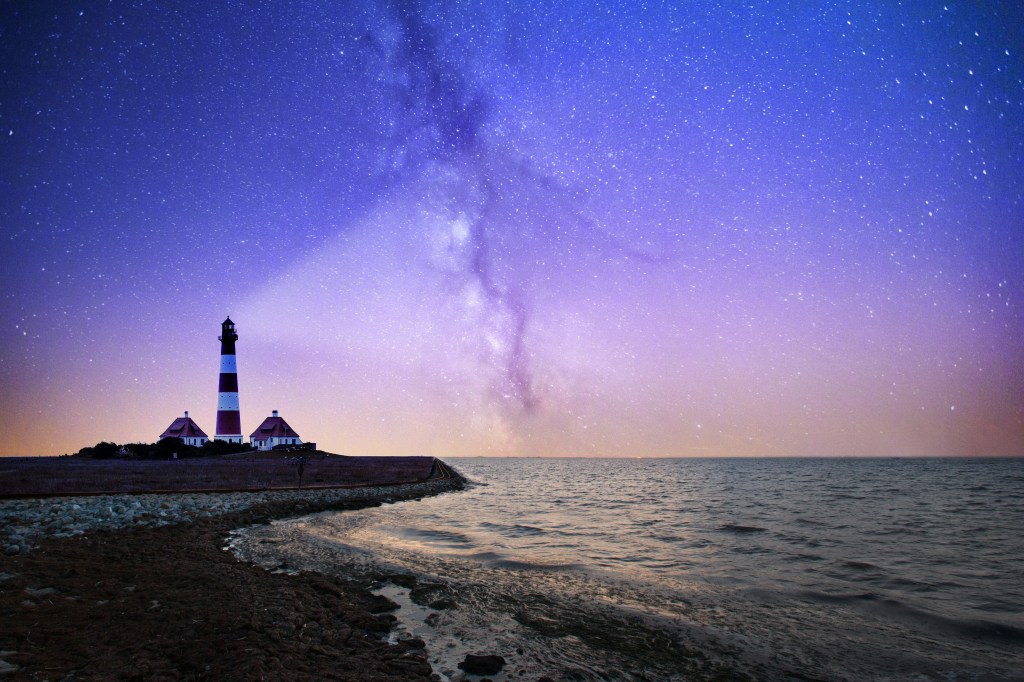
A lighthouse’s beam, magnified by mirrors and lenses, can stretch up to 20 nautical miles (37 km), its reach extending far beyond what the eye can see. But what good is a lighthouse if its light goes out?
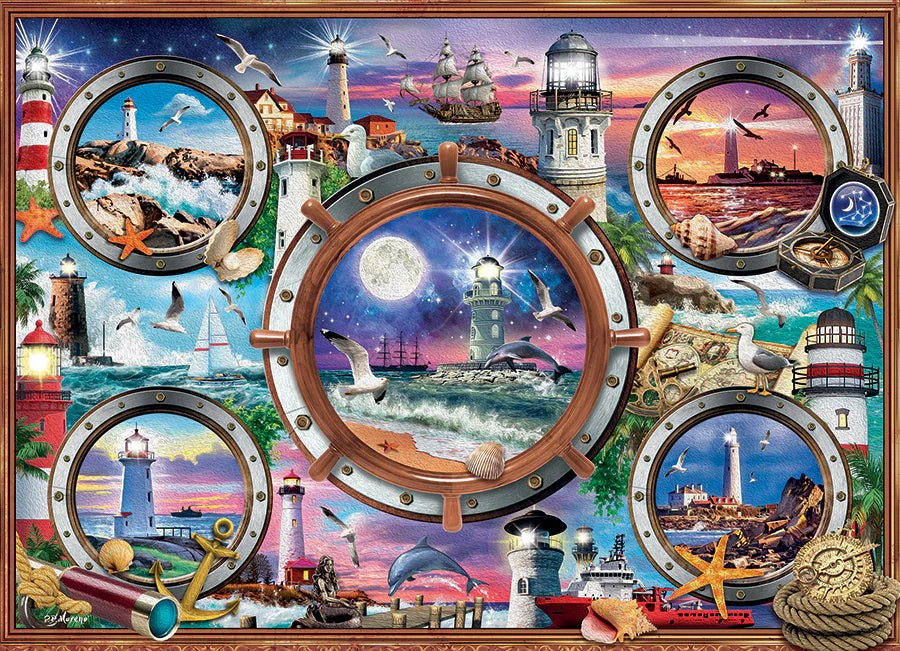
I suppose some of us are lighthouses for the beloved ships in our lives—standing steadfast, illuminating their way, ensuring they find safe passage through the storms. We watch from a distance, unwavering, asking for nothing in return. But even lighthouses have limits. A beacon can only shine for so long before the flame flickers, before the isolation erodes the foundation.

Perhaps, just perhaps, some ships were never meant to keep sailing. Maybe they, too, long for a place to rest—for a shore to call home. Because even a lighthouse, for all its strength, was never meant to stand alone. And maybe, just maybe, the light shines brightest when it’s not just guiding others but warming something within itself.

So if you are a lighthouse—and let’s be honest, we all are in some way—take care of yourself. Keep your light steady, not just for those who seek it, but for yourself, so when the storms come, you’re still standing, still shining, ready to guide the ones who need you most.
Bridges and Chains

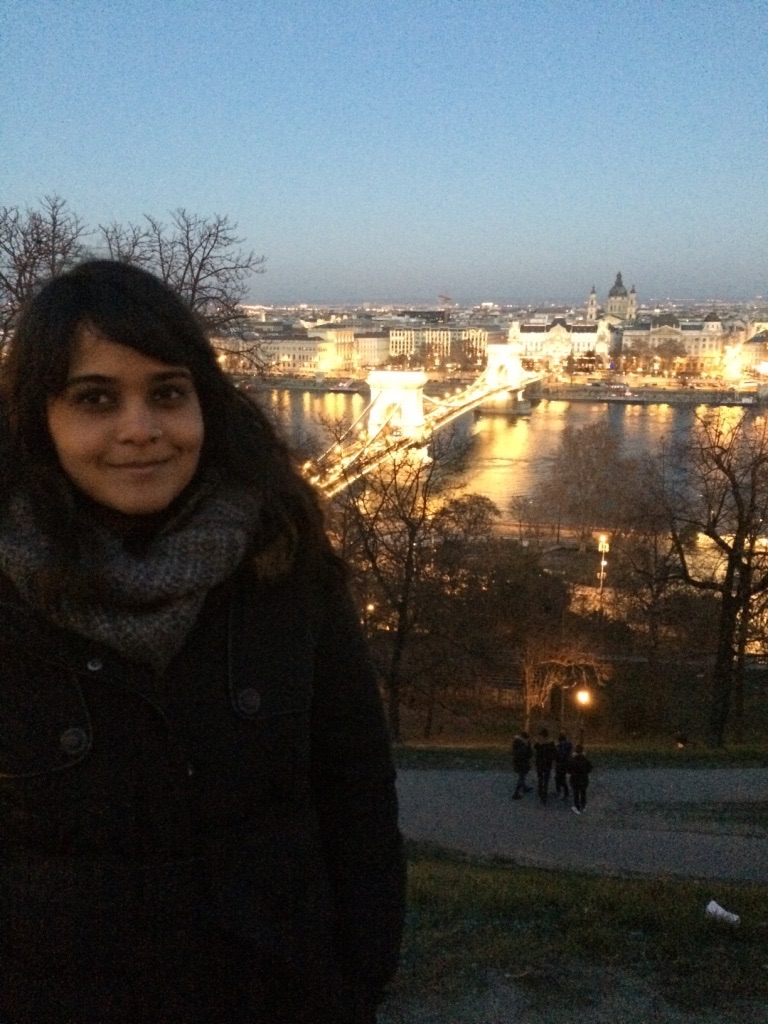
I was recently reminded of a walking tour in Budapest from a few years ago. The city, divided by the Danube River, is made up of two distinct halves: Buda and Pest. For centuries, they remained separate, each with its own identity, until the construction of the Chain Bridge in 1849. This bridge not only physically connected the two sides but also symbolized the merging of their contrasting personalities. The guide pointed out how this connection transformed the city’s architectural landscape, creating Budapest’s iconic eclectic style—a blend of influences from different cultures and periods. Buda, with its peaceful, upscale vibe, and Pest, bustling and full of life, each brought something unique to the city. Back then, they were distinct worlds, but today, they continue to coexist as separate yet complementary halves, each preserving its essence while contributing to the city’s dynamic whole.

My brain obviously went into reflection mode. There’s a famous saying: “Don’t burn your bridges.” It’s a reminder to leave situations and relationships in a way that preserves future possibilities. After all, bridges connect us, allowing for movement, exchange, and opportunity.

The bridge in Budapest is called the Chain Bridge for a reason, I guess. Chains symbolize strength and unity, holding things together even under pressure. Fleetwood Mac’s song The Chain encourages us to do just that. The song is a dark and desperate unity that reflects the band’s resilience. But the metaphor “break the chain” brings a different image to mind—liberating ourselves from cycles, constraints, or patterns that no longer serve us. This duality made me reflect on the concept of involution.

American sociologist Clifford Geertz described involution as stagnation — a loop of repeated behaviours that leads nowhere. In many ways, it reminded me of the famous Pink Floyd lyrics: “We’re just two lost souls swimming in a fishbowl, year after year.” This feeling of being trapped in a cycle, unable to break free or evolve, encapsulates involution perfectly. It’s like being in a situation that feels like you’re going nowhere, no matter how much effort you put in. In contrast, evolution propels us forward, toward growth and improvement. In-volution, quite literally, is the opposite of e-volution. Where evolution is expansion, involution is regression.

It’s true chains can be seen as both connectors and constraints, a symbol of unity and of being trapped. I guess if you feel like you’re heading toward involution, remember, you have the power to break the chain or avoid building bridges altogether. But if evolution is truly at play, natural selection will unavoidably take over and stop you from breaking any chains and push you to evolve — to build bridges and not burn them.