
Shakespeare’s tragic love stories didn’t dress up love in roses. He treated love with a seriousness we often shy away from—messy, dangerous, transformative, and sometimes absurd. That’s why centuries later, we still see ourselves in his stories. He didn’t write love as fantasy. He wrote it as it is: contradictory, fragile, and fierce.
But then why does it feel like every great love story ends in death? Were Romeo and Juliet doomed from the start? Couldn’t they have fought harder, endured, found a way? Maybe. But Shakespeare makes their demise feel inevitable because their love wasn’t just affection. It was rebellion. It was defiance. It was lust, destiny, and devotion tangled together.
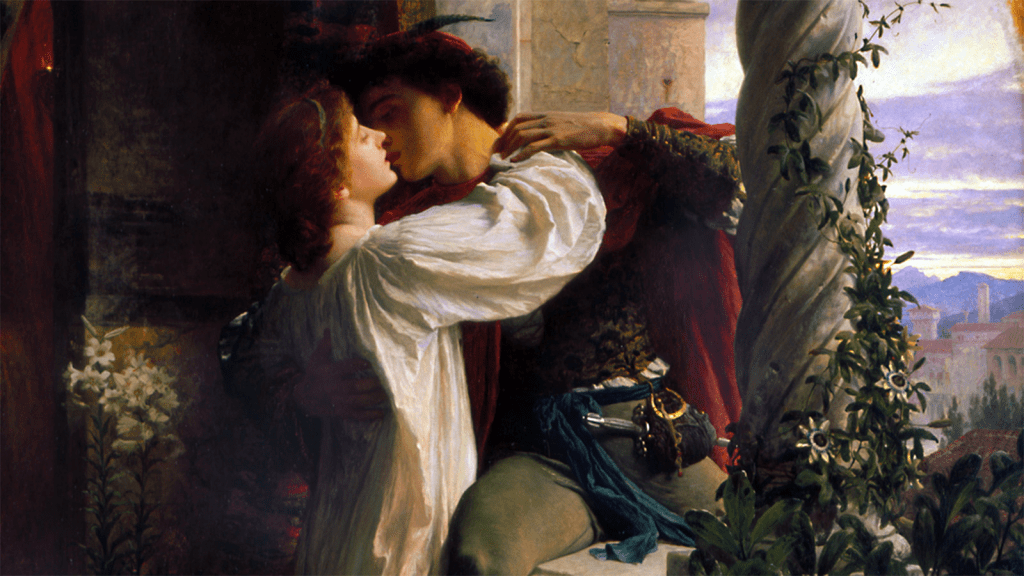
Their love itself wasn’t the failure though. What destroyed them was everything around it—family feuds, pride, society’s rigidity. Shakespeare understood something we still struggle with: love may be pure, but people, society, and circumstance corrode it.
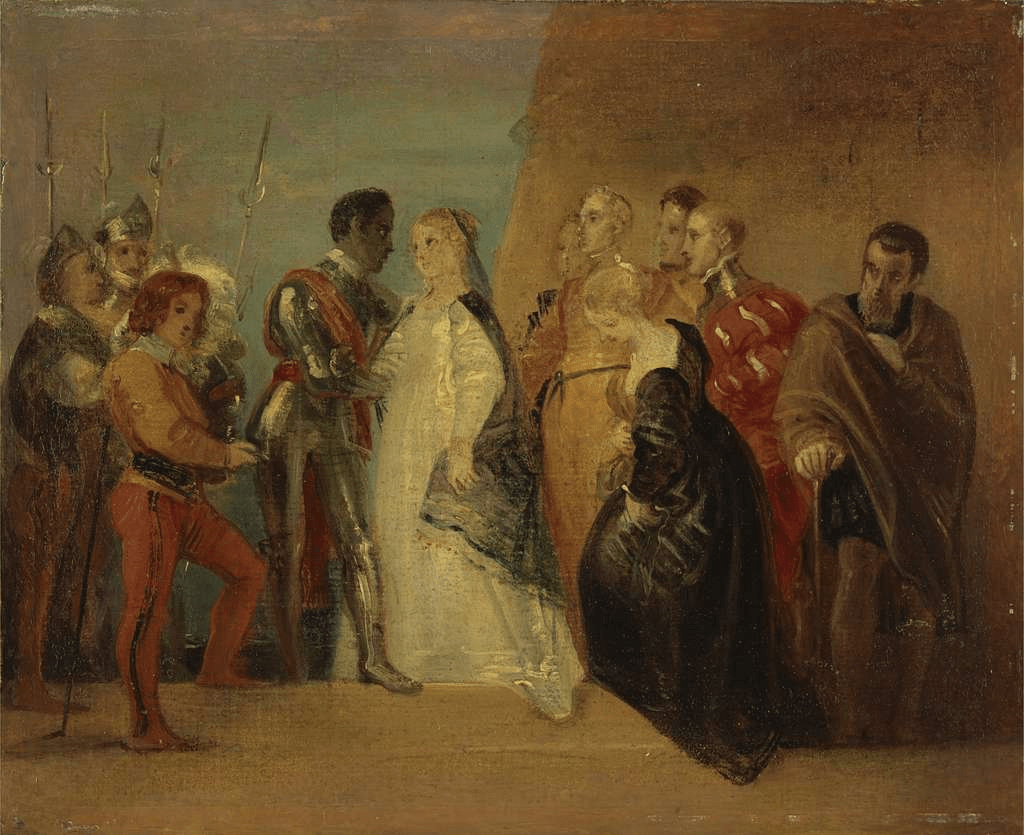
Look at Othello. He didn’t stumble into jealousy on his own. The seed was planted. Iago, with all his venom and cunning, represents the voice of society—the envious whispers, the jealous eyes, the forces that can’t stand to see love in its truest, most powerful form. Left to himself, Othello might never have believed Desdemona capable of betrayal. But once society’s hand reached into that sacred bond, twisting love into doubt, the poison spread too fast to stop.
Isn’t that what so many of Shakespeare’s tragic loves are really about? Romeo and Juliet undone by feuding families. Desdemona and Othello undone by Iago’s schemes. Love itself isn’t the flaw, it’s the world around it, with its pride, politics, and envy, that refuses to let love simply exist.
And this isn’t just a lesson for the 16th century. We still have our Iagos. They show up as gossip, as cultural expectations, as voices telling us who we should or shouldn’t love. The methods are different, but the effect is the same: outside forces planting seeds of doubt where trust should live.
That’s the caution Shakespeare leaves us with: it isn’t enough for love to be strong within two hearts. It must also be guarded fiercely against the noise of the world. Without that vigilance, even the most genuine love risks being undone, not by what’s inside it, but by everything trying to tear it apart.
How?
This is where the sacredness of love comes in. True love, the kind Shakespeare wrote as life and death, is not casual. It carries responsibility. If you are given the gift of such a bond, you don’t squander it on ego, lust, or convenience. You honor it as something rare, something that transcends lifetimes.
Shakespeare revered too much to take it lightly. He wrote its danger because he believed in its power. And maybe that’s the real question for us today: in a world that treats love as fleeting, are we still willing to carry it as something sacred?
And maybe that’s what he was showing us all along: love doesn’t always live in two people holding hands forever. That kind of love can break under pressure, or even die with them. But love itself outlives the lovers. It lingers as memory, transformation, legacy. Love endures, not always in the way we want, but in ways that ripple outward, changing everything it touches.
 fortuitouspurpose