
Our mind is capable of so much. The depths of our darkness can open doors that feel both unreal and unreachable. But once you cross that threshold, it becomes harder to turn back. You see the shadows for what they are—the parts of our psyche capable of destruction equal to the pain we once endured.
What makes us let this darkness consume us?
It all comes down to love.
In one of my favorite book series, The Passage by Justin Cronin, a man loses the woman he loves. What he does next leads to the downfall of humanity. He lets grief mutate into vengeance—his love turning to ruin. It’s not so different from Darth Vader, who brought down an entire galaxy mourning for what he lost. These are men who chose vengeance when love was taken from them.
The Taj Mahal was built by an emperor who lost his wife in childbirth. A symbol of eternal love, yes, but one built by enslaved workers, their hands cut off so they could never replicate its beauty again. Why is it so hard to think of examples where love inspired creation without cruelty?
Are we wired to choose the dark side? Maybe. Darkness offers a certain ease. I’ve done things in pain that felt justified in the moment—words I shouldn’t have said, decisions I wish I could take back. With the amount of heartbreak I’ve had, it makes sense that I have the thirst for it in me. I’m not going to lie, it creeps up from time to time. It gets stronger, especially when I’m hurt. So I understand it, it’s the mind’s way of protecting itself, a survival instinct disguised as power. But there’s always a line. And maybe the difference between those who lose themselves to the dark and those who return from it lies in that one fragile act of resistance.
I once read this:
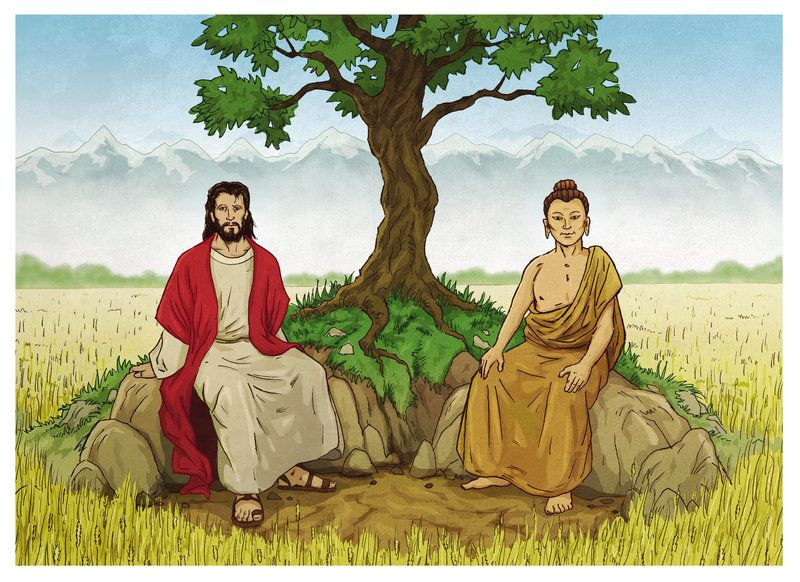
“The love force is focused through the two great spiritual Lords of the Hierarchy, the Buddha and the Christ—one embodies the twelve-petaled lotus in the head, the other its counterpart in the heart. Few grasp this truth.”
You got it right—it’s faith.
Our mind can do unspeakable things in the name of self-protection. But faith, whether in God, goodness, or simply love itself, pulls us back toward the heart. It’s not religion; it’s balance. When the mind (the Buddha in the head) and the heart (the Christ within) coexist, light returns. The darkness no longer consumes—it teaches.
Even in fiction, this holds true. Thanos wanted to restore balance by wiping out half the universe. His intentions seemed noble. There was too much chaos, but he let the darkness guide his hand. He mistook himself for God. The moment ego takes the throne, destruction follows. Because anyone trying to play God is already lost to their own shadow.
But the universe has its own ways of restoring order. Natural forces intervene, sometimes through people, sometimes through moments so serendipitous you can’t explain them. Call it fate, divine timing, or just life correcting itself. Light always finds its way back, just as the sun inevitably rises after the longest night.
So, if you’ve ever found yourself walking through darkness, remember this: the fact that you can still recognize the light means it never truly left you. The mind may wander into shadows, but faith—quiet, unwavering faith will always guide it home.


 fortuitouspurpose