
I picked up a book from a temple here in India — a slim little volume filled with stories of deities performing miracles. People healed, wishes granted, losses restored. Page after page celebrated the gods for intervening at the perfect moment, as if the universe itself had leaned in to whisper, “Here, take this blessing.”
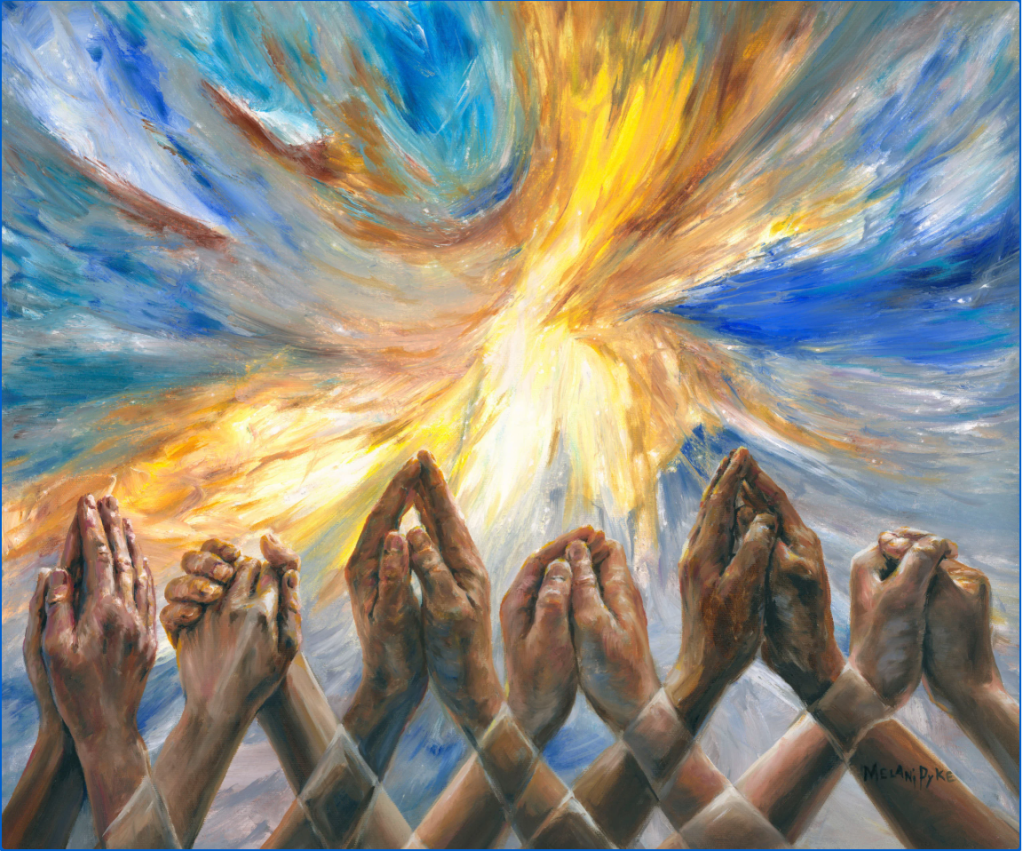
Beautiful stories. Comforting stories. But something about the entire framework made me pause. Because somewhere along the way, India took worshipping too far.
We treat gods like cosmic vending machines — insert coconut, donate ₹101, and request: a promotion, a spouse, a visa, a miracle.
But do gods even want to be worshipped? I doubt they’re sitting there tallying coconuts or adjusting interest rates on our prayers. They don’t operate on transactions. They don’t do it for the fruit offerings or the queues or the temple bells. If anything, God doesn’t need devotion. We do.
And that’s when it hit me:
Most people don’t go to the temple to connect.
They go to offload.
Vent.
Beg.
Plead.
Fear.
Bargain.
Connection is almost an afterthought.
But praying, real praying, is not a performance. It is not about bending the divine to your will. It is sitting with yourself and God in the same breath. It is emptying the noise. It is being brutally honest about what hurts.
Prayer is connection, not negotiation.
Temples only facilitate this because their vibration helps you drop into stillness faster. But the real connection can happen anywhere — on your bedroom floor, in the middle of a heartbreak, in a moving train, or even while brushing your teeth. God listens everywhere, because God isn’t in the idol; God is in the access point you open inside yourself. And here’s the part that deepened everything for me:
If destiny is already written, why do we pray?
This question tugs at me every time I walk out of a temple. Because philosophically, spiritually, astrologically, everything is written in the stars. Our timelines unfold exactly as they must. So if prayer does not change our fate…what are we really doing there?
Hope, maybe.
Comfort, maybe.
Habit, likely.
But look deeper and you’ll see something else entirely:
Prayer isn’t meant to change reality. It’s meant to help us understand it.
We don’t pray to manipulate outcomes. We pray to interpret them.
To separate desire from destiny.
To soften the anger around why things aren’t happening the way we want.
To gain the strength to carry what is already ours.
Because the truth is, God rarely gives us what we want, but He never fails to give us what we need. And needs arrive wrapped in strange disguises:
- delays that protect us
- heartbreak that redirects us
- endings that make room
- silence that forces clarity
- losses that humble us
- synchronicities that guide us
Which brings me back to the stories in that book.
People call these “miracles.” But what if the real miracle isn’t the event? What if the real miracle is our capacity to recognise why it arrived? That’s what prayer strengthens — the internal clarity to see meaning, not magic. And yes, maybe everything is predetermined. Maybe no prayer can change what the stars have stamped onto our timeline.
But prayer gives us something destiny never can:
Perspective. Surrender. Connection. Courage.
Hope takes us to the temple. Connection brings us home.
Hope whispers, “Maybe God will change this.”
Connection answers, “Maybe God will change me.”
We pray not to escape our fate, but to stop resisting the parts of it that hurt.
We pray to steady our heart.
We pray because the act itself unravels us, then gathers us again.
So no, I don’t think gods want worship. They don’t need it. But they do respond to honesty, to vulnerability, to the rawness of a human asking, “Help me understand.”
Because when you finally pray from that place without bargaining, without pretending, without performing, you don’t just feel heard. You feel held. And that, I think, is the real miracle.

 fortuitouspurpose