
We like to believe that humanity evolves. That time softens our sharp edges, that society becomes more just, that we learn from history. But standing between the stories of Lucrece in ancient Rome, Sita in the Ramayana, and the experiences of women today, I can’t help but feel a strange heaviness: so much time has passed, and yet the patterns remain painfully familiar.
The Ancient Stories We Can’t Shake Off
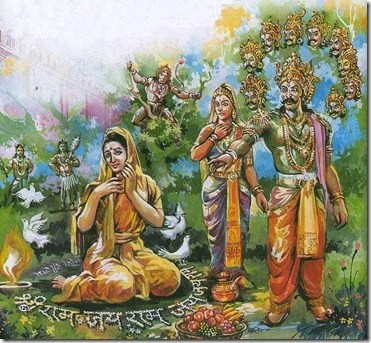
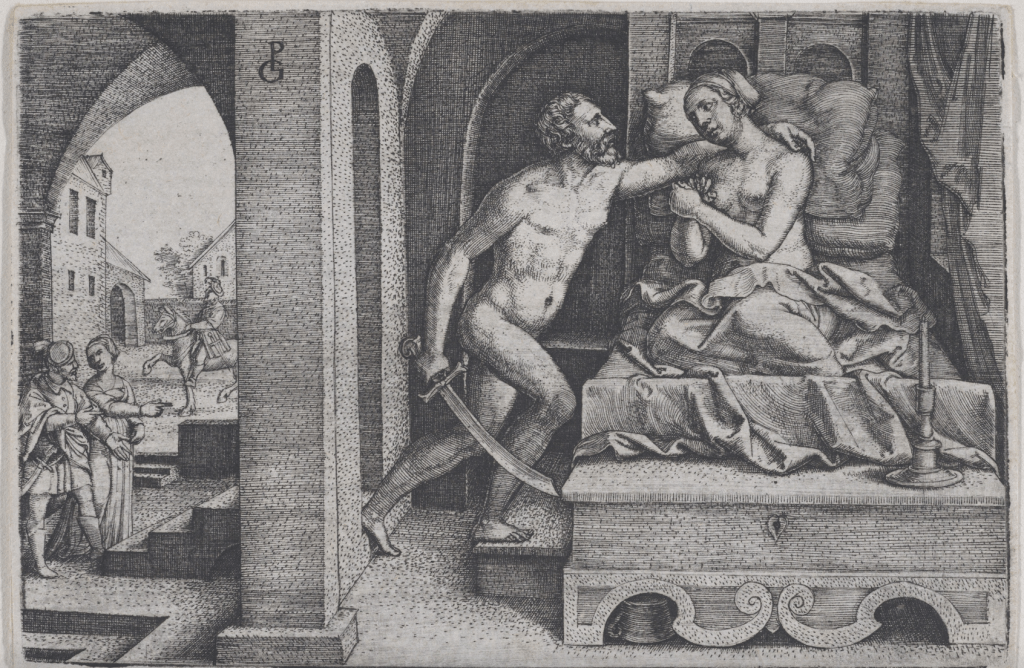
In Shakespeare’s The Rape of Lucrece, a woman’s trauma becomes the spark that topples a monarchy and establishes the Roman Republic. In the Ramayana, Sita’s abduction launches a war that redefines notions of duty and dharma. Different cultures, different eras, different moral frameworks—but the same underlying script:
a woman’s pain becomes a political event
a woman’s body becomes a symbol
a woman’s voice becomes secondary to the men who act on her behalf
Both women were bound by ideas of purity and honor. Both were held responsible for violence inflicted upon them. Both became catalysts for the ambitions, decisions, or redemption arcs of men.
Behind every cultural veneer lies a stark truth: women have always paid the price for the moral failings of powerful men.
The Modern Echoes of Old Wounds
You would think thousands of years of progress—education, law, social movements, global awareness would transform these dynamics. But today, the forms have simply changed.
Victims still face disbelief.
Their character is still dissected.
Legal processes still retraumatize instead of heal.
Silence is still considered safer than speaking.
A woman’s body still becomes a battleground for politics and public opinion.
It’s Lucrece all over again.
It’s Sita, rewritten with modern vocabulary.
The same story, staged on a different platform.
Why Does This Keep Happening?
Because these patterns aren’t random—they’re structural.
They come from centuries of:
- patriarchal power systems
- cultures obsessed with purity
- societies that protect perpetrators
- communities that shame survivors
- institutions built by, and for, men
You cannot dismantle in a few generations what was cemented over millennia.
But There Is Change—Slow, Fragile, Real
And yet, it’s not all despair. The story may be old, but people are rewriting it every day.
Unlike Lucrece, women today don’t have to die to be believed. Unlike Sita, they aren’t required to prove their purity to justify survival. The silence that once suffocated entire generations is now broken—loudly, publicly, unapologetically.
Movements like #MeToo, reforms in consent laws, trauma-informed practices, survivor-led advocacy. They are all signs of a culture shifting, even if slowly. Violence may not disappear entirely. Human nature makes that unlikely. But the way we respond to it can change and that is where hope lives.
Will It Ever Stop?
Not completely.
But will the story remain the same forever? No.
Because today:
- women have language for their trauma
- societies are more accountable
- patriarchy is named, not accepted
- education challenges old scripts
- survivors are connecting, supporting, demanding
- younger generations refuse to inherit silence
Change is not dramatic; it’s cumulative. And we are living in the middle of that accumulation.
The Story Is Changing, Because We Are
Ultimately, the world doesn’t move forward because time passes.
It moves forward because people refuse to accept old stories as destiny.
The fact that we can draw a line from Lucrece to Sita to women today and see the pattern clearly means we are already breaking it.
Awareness is disruption.
Naming is resistance.
Questioning is transformation.
And every generation that refuses the script writes a new one.

 fortuitouspurpose